


- No November 2026 TN approval rate is established by the historical data cited in this article.
- The latest available USCIS figure is 94.9%, covering October 2024 through June 2025.
- USCIS and the State Department report different TN figures, so their numbers should not be treated as one approval rate.
- The job and your qualifications should match the TN profession you’re applying under.
- Canadians and Mexicans have different ways to apply for TN status.
November 2026 Update: The latest USCIS TN petition data identified for this article covers October 1, 2024, through June 30, 2025. The 94.9% approval rate applies to that historical reporting period, not to November 2026.
If you’re searching for the TN visa approval rate for November 2026, it is important to distinguish historical USCIS petition data from current visa issuance and refusal statistics. These figures measure different parts of the TN process and do not represent every applicant’s chances of approval.
USCIS reports on TN-related Form I-129 petitions, while the Department of State reports visa issuances and refusals through US consulates. These figures measure different parts of the TN process and should be evaluated separately. Canadian citizens also have a different process because they generally do not need to obtain a TN visa from a US consulate before seeking admission to the United States.
💡 Next Step: To navigate these varying standards and present a rock-solid case at the border or consulate, you can hire our expert service to Order Your TN Visa Expert Opinion Letter tailored to your specific professional qualification.
What Is The TN Visa Approval Rate For November 2026?
USCIS TN petition statistics do not establish an approval rate for every TN applicant in November 2026. The latest verified dataset used in this article covers October 1, 2024, through June 30, 2025, and reports an approval rate of 94.9% among completed Form I-129 TN petitions. This is historical data, not a current-month approval rate.
Latest TN Visa Approval Statistics
Here is the historical data from Oct 2024 to June 2025, along with the complete data for this period:
| Reporting Period | Petitions Received | Initially Approved | Initially Denied | Total Completions | Approval Rate |
| Oct 1, 2024 – Jun 30, 2025 (Total) | 12,842 | 12,177 | 655 | 12,832 | 94.9% |
| October 2024 | 1,361 | 1,039 | 62 | 1,101 | 94.4% |
| November 2024 | 1,245 | 1,317 | 59 | 1,376 | 95.7% |
| December 2024 | 1,155 | 1,265 | 50 | 1,315 | 96.2% |
| January 2025 | 1,308 | 1,346 | 73 | 1,419 | 94.9% |
| February 2025 | 1,524 | 1,365 | 73 | 1,438 | 94.9% |
| March 2025 | 1,554 | 1,594 | 92 | 1,686 | 94.5% |
| April 2025 | 1,611 | 1,442 | 72 | 1,514 | 95.2% |
| May 2025 | 1,558 | 1,500 | 92 | 1,592 | 94.2% |
| June 2025 | 1,526 | 1,309 | 82 | 1,391 | 94.1% |
What Are The TN Visa Approval Rate Trends Over Recent Years?
USCIS records show that TN Form I-129 petitions have had high approval percentages in the reporting periods below.
| USCIS Reporting Period | Initially Approved | Initially Denied | Total Completions | Approval Percentage |
| Oct 2016 – June 2023 | 65,408 | 6,367 | 71,775 | 91.1% |
| Oct 2024 – June 2025 | 12,177 | 655 | 12,832 | 94.9% |
USCIS reported a 91.1% approval rate for completed TN Form I-129 petitions from October 2016 through June 2023. The later reporting period used in this article shows 94.9% from October 2024 through June 2025. These figures describe their respective reporting periods and do not predict the outcome of an individual application. USCIS reports these numbers for completed petitions, including both initial and extension filings.
These percentages are based on specific reporting periods. So you shouldn’t assume the approval chances for your case.
Is the TN Visa Approval Rate High For 2026?
The latest USCIS data cited in this article shows a 94.9% approval rate for completed TN Form I-129 petitions from October 2024 through June 2025. This historical figure does not establish the TN approval rate for November 2026 or predict the outcome of an individual application.
What IS The USCIS TN Approval Rate vs. Department of State Visa Statistics?
USCIS TN Approval Rate vs. Department of State Visa Statistics are not the same.
USCIS Form I-129 statistics measure only petitions that USCIS adjudicates. The relevant TN dataset reports petitions received, initially approved, initially denied, total completions, pending cases, and RFE-related information.
The Department of State, by contrast, publishes visa issuance and refusal statistics for applicants seeking visas through US consular posts.
For FY2024, the State Department reported:
| TN visa statistic | FY2024 |
| TN visas issued | 15,672 |
| TN cases refused | 11,645 |
| Total applications/workload | 27,317 |
These numbers come from the Department of State’s worldwide NIV workload data.
Using the figures mechanically gives approximately 57.4% issued out of the listed workload, but that should not be presented as the TN visa approval rate. The State Department explains that its refusal figures represent applications that remained in a refused status at the end of the reporting period, and visa statistics have their own reporting methodology.
The State Department figures are not the same population as USCIS’s I-129 petition data.
What Affects TN Visa Approval Chances?
Here are the things that affect your approval chance; the applicant must prove that:
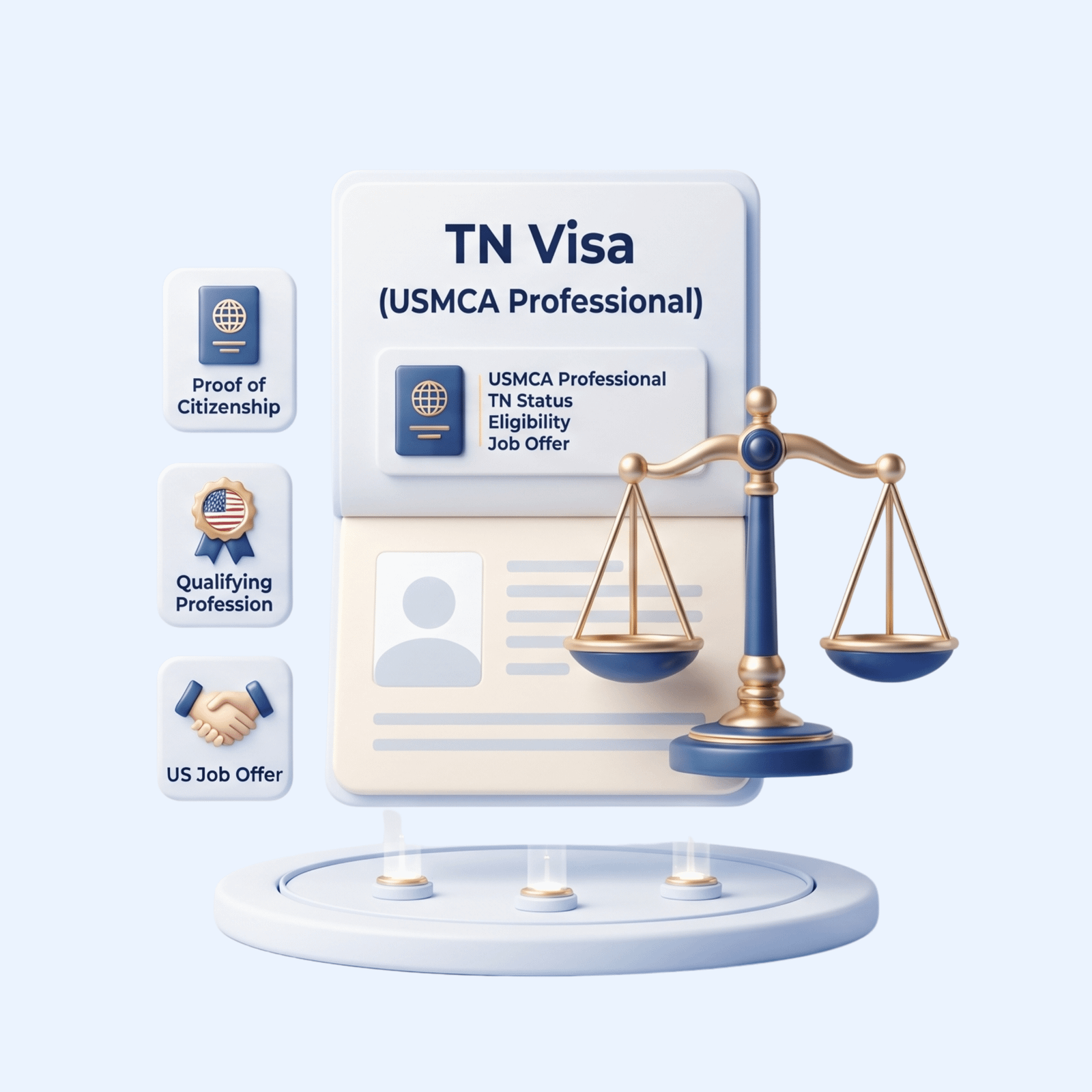
- You are a citizen of Canada or Mexico.
- Your occupation is listed under the USMCA TN professional categories.
- You have a prearranged job with a US employer in a qualifying professional occupation.
- Your education, credentials, or professional experience meet the requirements for that occupation.
- Your supporting documents clearly establish that you meet the applicable TN eligibility requirements.
The applicant’s education should match the profession they plan to work in. The Department of State states that many TN visa professions require a bachelor’s degree, while some accept other qualifications or require relevant work experience.
The employment letter should clearly explain the job title, duties, reason for entering the US, expected length of stay, the applicant’s qualifications, and the terms of pay.
Is the TN approval rate the same for Canadian and Mexican applicants?
There is no separate TN approval rate published for Canadian or Mexican citizens.
Canadian citizens do not need a TN visa; they can request TN status when applying for admission at an eligible US port of entry or designated pre-clearance location. US Customs and Border Protection (CBP) reviews their documents and decides whether they meet the requirements for TN status.
Mexican citizens need a TN visa before travelling to the United States; they apply through a US embassy or consulate in Mexico. After the visa is issued, they can travel to the United States and request admission as a TN professional.
Frequently Asked Questions
What is the TN visa approval rate in October 2026?
The TN approval rate is not out for October 2026 yet. The latest USCIS data covers October 2024 to June 2025. It shows an approval rate of around 94.9%.
Is the TN visa approval rate high in 2026?
USCIS has not released an approval percentage for October 2026. The agency reported 91.1% for October 2016 through June 2023, while the October 2024 through June 2025 period stood at 94.9%.
What’s the difference between USCIS and State Department TN statistics?
USCIS reports on petitions for the TN Form I-129. The Department of State reports TN visa issuances and refusals handled through US embassies and consulates. The numbers cover different parts of the TN process, so you should look at them separately.
Do Canadian citizens need a TN visa?
No. Canadian citizens generally do not need a TN visa. They can apply for TN status at a U.S. port of entry or designated pre-clearance location with their Canadian passport, job offer letter, and documents showing their professional qualifications.
Do Mexican citizens need a TN visa before travelling to the US?
Mexican citizens need a TN visa before they can enter the U.S. for a TN job. You apply for the visa at a U.S. embassy or consulate, and once it is issued, you can travel to the U.S. and ask for admission in TN status.
Is there a separate TN approval rate for Canadian and Mexican applicants?
No separate official TN approval rate is published for Canadian and Mexican applicants. Canadian citizens generally do not need a TN visa and can seek TN status when applying for admission, while Mexican citizens generally need to obtain a TN visa through a U.S. embassy or consulate before seeking admission in TN status.
Conclusion
Applicants should not rely on a claimed official October 2026 TN approval percentage, because no such nationwide USCIS approval rate is currently established by the published statistics reviewed for this article.
The latest USCIS TN data available for this analysis shows a 94.9% approval percentage among completed Form I-129 TN petitions from October 1, 2024, through June 30, 2025.
The Department of State’s FY2024 TN visa statistics provide a separate picture of visa issuance and refusal activity, but those figures cannot be combined with USCIS petition data to create a universal TN approval rate.

TN Visa Approval Rate: Is 94.9% Your Guarantee for September 2026?
While historical USCIS data shows strong approval rates for USMCA professionals, eligibility depends entirely on your qualifying profession, education, and job offer. Understand the key differences between Canadian and Mexican application pathways.
Visa Approval Rates 2026: Latest USCIS Data & Trends
- EB-2 NIW Approval Rate 2026: USCIS Data & Trends
Explore the latest EB-2 NIW approval data from USCIS, historical trends, and key factors that may influence petition outcomes and approval rates in 2026. - H-1B Approval Rate 2026: Latest USCIS Data
Review the latest H-1B approval statistics from USCIS, compare recent approval trends, and understand the key factors that can affect H-1B petition outcomes in 2026. - EB-1A Approval Rate 2026: Data & Key Trends
Examine the latest EB-1A approval data, recent USCIS trends, and common factors that may influence approval decisions and contribute to self-petition denials in 2026.